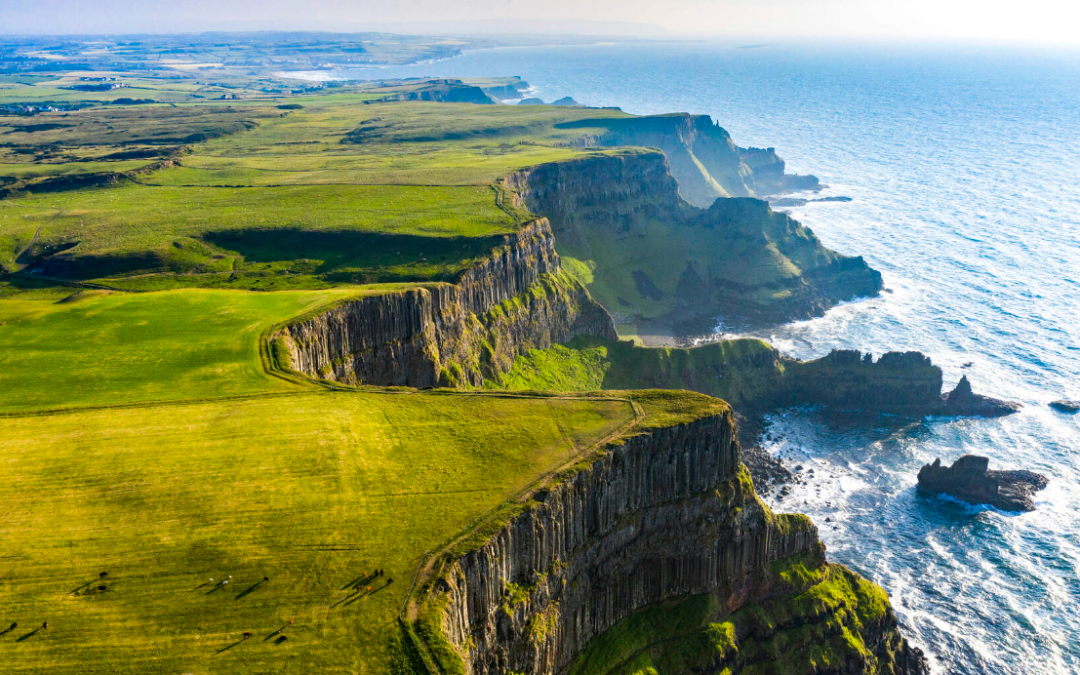
Ireland is a land of breathtaking landscapes, rich history, and warm hospitality. But knowing the best time to visit can make a world of difference in your travel experience. As a seasoned travel advisor, we’re here to guide you through the best times to explore the Emerald Isle, so you can plan your dream trip with confidence.
Spring (March to May)
• Why Go: Spring in Ireland is a time of renewal. The countryside bursts into life with blooming flowers, lush green fields, and fewer tourists. Temperatures are mild, ranging from 46°F to 54°F (8°C to 12°C), making it a pleasant time to explore both cities and nature.
• What to Expect: This is a quieter period, perfect for visiting popular spots like the Cliffs of Moher, the Ring of Kerry, and Dublin without the summer crowds. Plus, you’ll have the opportunity to experience local festivals such as St. Patrick’s Day in March.
• Insider Tip: Pack layers and a good rain jacket, as the weather can be unpredictable.
Summer (June to August)
• Why Go: Summer is peak travel season, with longer daylight hours (up to 18 hours in June!) and the warmest temperatures, ranging from 59°F to 68°F (15°C to 20°C). It’s ideal for outdoor activities like hiking, cycling, and exploring Ireland’s famous coastal routes.
• What to Expect: Expect lively towns, busy attractions, and vibrant cultural festivals. However, with popularity comes higher prices and more tourists. Booking in advance is essential for accommodations and tours.
• Insider Tip: Take advantage of the extended daylight by exploring less-visited regions like Donegal or the Aran Islands for a more tranquil experience.
Autumn (September to November)
• Why Go: Autumn offers a beautiful blend of mild weather and colorful landscapes as the leaves change. With temperatures ranging from 48°F to 57°F (9°C to 14°C), it’s a comfortable time to travel, especially for those seeking a quieter atmosphere.
• What to Expect: This is the perfect season for exploring Ireland’s castles, walking tours, and cultural heritage sites. You’ll find fewer crowds, and prices start to drop compared to the summer months.
• Insider Tip: October can be particularly scenic with autumn foliage in places like Killarney National Park, and it’s a great time for food lovers, with harvest festivals and seasonal cuisine.
Winter (December to February)
• Why Go: If you’re seeking a cozy, atmospheric experience, winter in Ireland offers a unique charm. Temperatures range from 39°F to 46°F (4°C to 8°C), and while it’s colder and wetter, there’s something magical about exploring Ireland’s historic towns and cozy pubs during the festive season.
• What to Expect: Winter is the off-season, so you’ll find great deals on accommodations and fewer tourists. However, some attractions may have reduced hours or close for the season. If you don’t mind the shorter days and cooler weather, it’s a peaceful time to explore.
• Insider Tip: Christmas markets and winter festivals bring Irish towns to life during the holiday season, offering a taste of local traditions and holiday cheer.
When to Go Based on Your Interests
• For Sightseeing: Late spring (April-May) and early autumn (September) are ideal, balancing good weather with fewer crowds.
• For Festivals and Culture: Summer is the best time for lively festivals, music, and cultural events, but be prepared for more tourists.
• For Budget Travelers: Winter offers the best deals, but you’ll need to plan around limited daylight and potential closures.
Final Thoughts
Ireland is a destination that shines year-round, and the best time to visit depends on your travel preferences. Whether you’re looking for lively festivals, serene landscapes, or a peaceful retreat, Ireland has something to offer in every season.
If you’re ready to plan your Irish adventure, we’re here to help you craft the perfect itinerary tailored to your needs. Let’s make your dream trip to Ireland a reality!