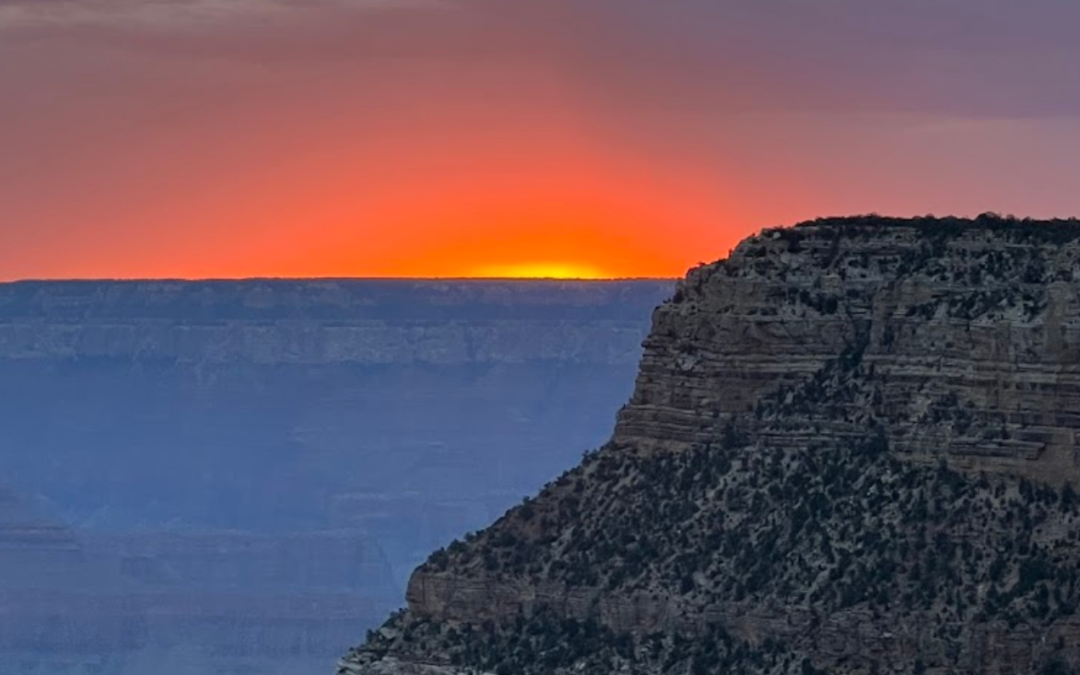
Planning a trip to the Grand Canyon is a bucket-list experience for many, and as your travel advisor, we’re here to help you make the most of it. Timing your visit can make all the difference in what you see, what you do, and how much you enjoy this natural wonder. Here’s a seasonal breakdown to help you decide when to go:
Spring (March to May): Perfect Balance
Spring is one of the best times to visit the Grand Canyon, especially if you prefer mild temperatures and fewer crowds. As the winter chill fades, temperatures range from 50°F to 70°F, making it ideal for hiking and sightseeing. Wildflowers begin to bloom, adding color to the landscape. The South Rim is open year-round, but this is the season when trails and visitor services at the North Rim start preparing for their May opening. If you want to avoid summer crowds and still enjoy pleasant weather, spring is your sweet spot.
Why Visit in Spring?
• Mild temperatures perfect for hiking
• Smaller crowds than summer
• Blooming wildflowers and vibrant landscapes
Summer (June to August): Popular but Busy
Summer is peak season at the Grand Canyon, especially at the South Rim. With the kids out of school, families flock here, and the park can get quite crowded. Temperatures on the South Rim hover between 70°F and 85°F, but beware of extreme heat in the Inner Canyon, where it can reach over 100°F. Despite the crowds, summer offers the advantage of extended daylight hours, allowing you to pack more activities into your day. However, it’s essential to book accommodations well in advance.
Why Visit in Summer?
• Extended daylight for more exploration
• Full range of activities and ranger programs
• Ideal for family vacations
Tips for Summer Visitors:
• Stay hydrated and take breaks in the shade
• Consider visiting early morning or late afternoon to avoid the midday heat
• Book accommodations and tours well in advance
Fall (September to November): Quiet and Colorful
As temperatures begin to cool and the summer crowds dissipate, fall offers a quieter, more relaxed experience at the Grand Canyon. Daytime temperatures range from 60°F to 80°F, making it a comfortable season for hiking and outdoor activities. Fall foliage adds another layer of beauty, especially in the forests around the North Rim. By mid-October, the North Rim starts to close for the winter, so early fall is your last chance to explore this less-visited area.
Why Visit in Fall?
• Cooler temperatures perfect for outdoor activities
• Quieter trails and viewpoints
• Stunning fall foliage
Winter (December to February): Peaceful and Picturesque
Winter is the off-season at the Grand Canyon, and it’s perfect for those who want to experience the park in solitude. The South Rim remains open, but you’ll encounter far fewer visitors, allowing for serene, unobstructed views of the canyon. Snow often blankets the rim, creating a magical contrast with the red rock below. However, the North Rim closes for the season, and some trails may be icy or snow-covered, so it’s essential to plan accordingly.
Why Visit in Winter?
• Peaceful atmosphere with minimal crowds
• Beautiful snowy landscapes
• Lower prices on accommodations and tours
Tips for Winter Visitors:
• Dress in layers and prepare for cold weather
• Check for road and trail conditions before you go
• Enjoy the serene beauty of the Grand Canyon under a blanket of snow
Final Thoughts
The best time to visit the Grand Canyon ultimately depends on your personal preferences. Whether you seek the excitement of summer or the tranquility of winter, the Grand Canyon offers something unique in every season. As your travel advisor, we’re here to help you plan a trip that suits your schedule, interests, and budget.
Ready to experience the Grand Canyon? Let’s start planning your adventure today!