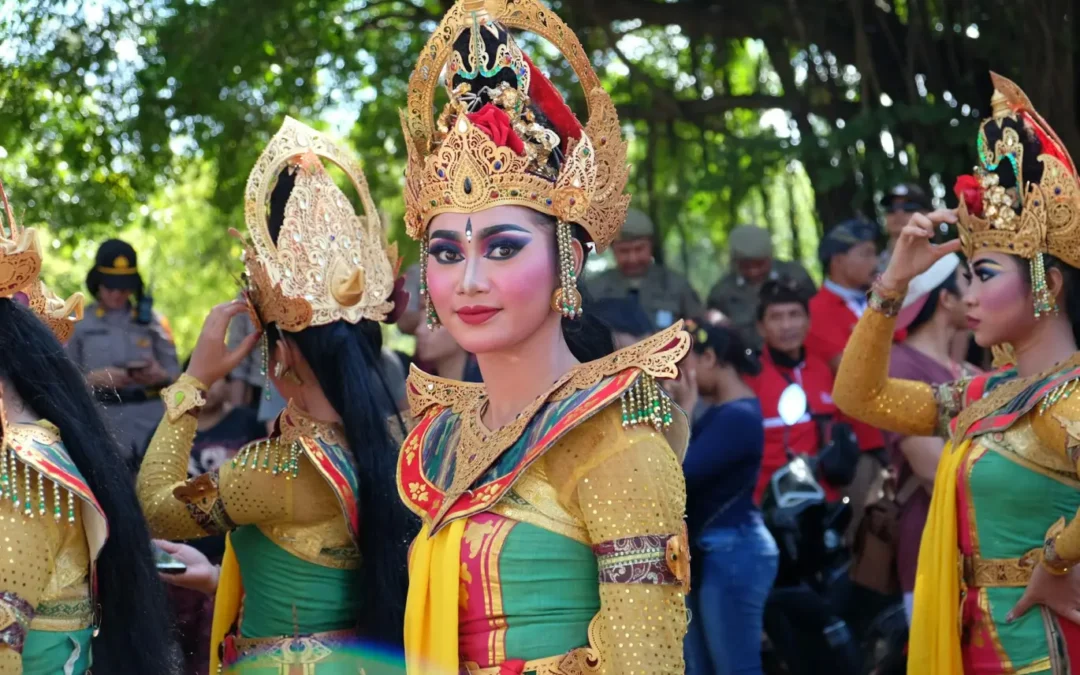
Traveling to a new country offers the opportunity to immerse yourself in different cultures, customs, and ways of life. However, what’s considered polite in one country can be seen as rude in another. Understanding the cultural norms and etiquette of your destination not only helps you avoid common mistakes but also allows you to make meaningful connections with locals. Here’s a guide to the cultural etiquette you should know before visiting these 10 countries.

1. Japan: Respect and Rituals
Japan is renowned for its deep-rooted traditions of respect, politeness, and courtesy. When visiting, it’s essential to follow proper etiquette, especially when it comes to greetings and public behavior.
Key Tips:
• Bowing: Bowing is a common way to show respect. The deeper the bow, the more respect you’re showing.
• Shoes: Always remove your shoes before entering homes, temples, or traditional accommodations like ryokan. You’ll often be provided with indoor slippers.
• Public Silence: On public transportation, it’s polite to remain quiet. Avoid loud conversations or phone calls in public spaces.

2. France: The Art of Politeness
The French are known for their formal manners, especially when it comes to greetings and dining etiquette. Politeness and formality go a long way in making a good impression.
Key Tips:
• Greetings: Always greet people with “Bonjour” (good morning) or “Bonsoir” (good evening) when entering shops or restaurants. Failing to greet can be considered rude.
• Dining Etiquette: Keep your hands on the table during meals (but not your elbows). Tipping is appreciated but not mandatory, as service charges are typically included.
• Conversation: Avoid talking too loudly in public and be mindful of personal space.

3. India: Respect for Religion and Personal Space
India’s cultural norms are deeply influenced by religion, tradition, and family values. Respecting these cultural aspects is crucial for visitors.
Key Tips:
• Dress Modestly: In religious sites or rural areas, dress conservatively. Women should cover their shoulders and legs, and men should avoid wearing shorts.
• Public Affection: Public displays of affection are frowned upon, especially in more conservative regions.
• Hands: In Indian culture, the left hand is considered unclean, so always use your right hand when giving or receiving something, including food.

4. Italy: Passionate yet Polite
Italy is known for its rich history, art, and food, but understanding Italian etiquette will enhance your experience, especially when dining or engaging in conversation.
Key Tips:
• Greetings: Italians typically greet each other with a kiss on both cheeks. However, as a foreigner, a handshake is also acceptable in more formal situations.
• Dining: Meals are considered a social occasion, and it’s customary to take your time. Never rush through a meal, and wait for the host to begin eating before you do.
• Queuing: Italians may not always form orderly lines, so be patient and mindful of your place in informal queues.

5. China: Respect and Honor
China has a long history of etiquette, much of which centers around respect for elders and proper conduct in social settings. Avoid common mistakes by familiarizing yourself with local customs.
Key Tips:
• Gifting Etiquette: When offering a gift, it’s polite to present it with both hands. The recipient may initially refuse the gift out of modesty before accepting.
• Dining: It’s polite to try all dishes presented to you during a meal. Leaving a small amount of food on your plate shows you are satisfied, while finishing everything can imply you are still hungry.
• Personal Space: Avoid physical contact during greetings. A nod or light handshake is sufficient, but keep a respectful distance.

6. Mexico: Warmth and Hospitality
Mexicans are known for their warm and hospitable nature. However, there are some cultural nuances to be aware of, especially when it comes to greetings and socializing.
Key Tips:
• Greetings: Mexicans are generally very friendly and greet each other with a handshake or a kiss on the cheek, depending on the situation.
• Punctuality: In social situations, it’s common to arrive 15-30 minutes late, but for business meetings, punctuality is expected.
• Gift Giving: If invited to someone’s home, it’s customary to bring a small gift such as flowers or sweets as a token of appreciation.

7. Thailand: The Land of Smiles
Thailand’s culture is centered around respect, particularly for the monarchy, religion, and elders. Visitors are expected to follow local customs, especially when visiting temples.
Key Tips:
• The Wai: The traditional Thai greeting, known as the wai, involves placing your palms together and bowing slightly. The higher your hands, the more respect you are showing.
• Dress Respectfully: When visiting temples, ensure your shoulders and knees are covered. Always remove your shoes before entering.
• Head and Feet: The head is considered sacred, so never touch someone’s head, and avoid pointing your feet at people or religious objects.

8. Brazil: Friendly but Formal
Brazil is known for its vibrant culture and friendly locals, but there are some important social cues to be aware of, particularly in terms of personal space and greetings.
Key Tips:
• Personal Space: Brazilians are more comfortable with close personal space during conversations. Expect hugs and cheek kisses when greeting friends.
• Dining Etiquette: In restaurants, it’s common to share dishes, but it’s polite to offer food to others before serving yourself.
• Beach Etiquette: While Brazilians are relaxed at the beach, avoid staring or commenting on others. Also, leave valuables at home to avoid theft.

9. United Arab Emirates: Respect for Tradition
The UAE is a blend of traditional Arab culture and modernity, and visitors should be mindful of local customs, especially regarding dress and behavior in public spaces.
Key Tips:
• Dress Code: In public areas, men and women should dress modestly. Women should avoid wearing revealing clothing, and men should also cover their shoulders and knees.
• Public Displays of Affection: PDA is considered inappropriate and can lead to fines or worse. Even hand-holding between couples should be avoided in public.
• Respect for Religion: During the holy month of Ramadan, it is important to refrain from eating or drinking in public during daylight hours out of respect for those fasting.

10. Australia: Laid-Back but Respectful
Australia is known for its laid-back attitude, but there are still a few important etiquette points to keep in mind, particularly around social interactions and outdoor activities.
Key Tips:
• Greetings: A casual handshake and “G’day” or “Hello” are common greetings. Australians appreciate politeness but tend to avoid overly formal greetings.
• Tipping: Tipping is not as common or expected as in other countries, but it’s always appreciated for exceptional service.
• Respect for Nature: When exploring the outdoors, respect local wildlife and follow guidelines for preserving natural environments, such as sticking to designated trails and not feeding animals.
Final Thoughts
Understanding cultural etiquette is key to respectful and enjoyable international travel. By being aware of local customs, you’ll not only avoid making common mistakes but also gain deeper insights into the countries you visit. Before your next trip, take some time to familiarize yourself with the cultural norms of your destination to ensure a smooth and enriching experience.
Visit our website: Dapper Dreams Travel by The Geddings
Want to chat about your options? Book a free consultation and let’s start planning your dream cruise!
Get your FREE Ultimate Vacation Planner! Join our email list today and start organizing your next adventure. Already subscribed? Share it with a friend! Click Here to Join!